
Home / Blog / What to put on an auto repair shop Google Business Profile
Listings
What to put on an auto repair shop Google Business Profile
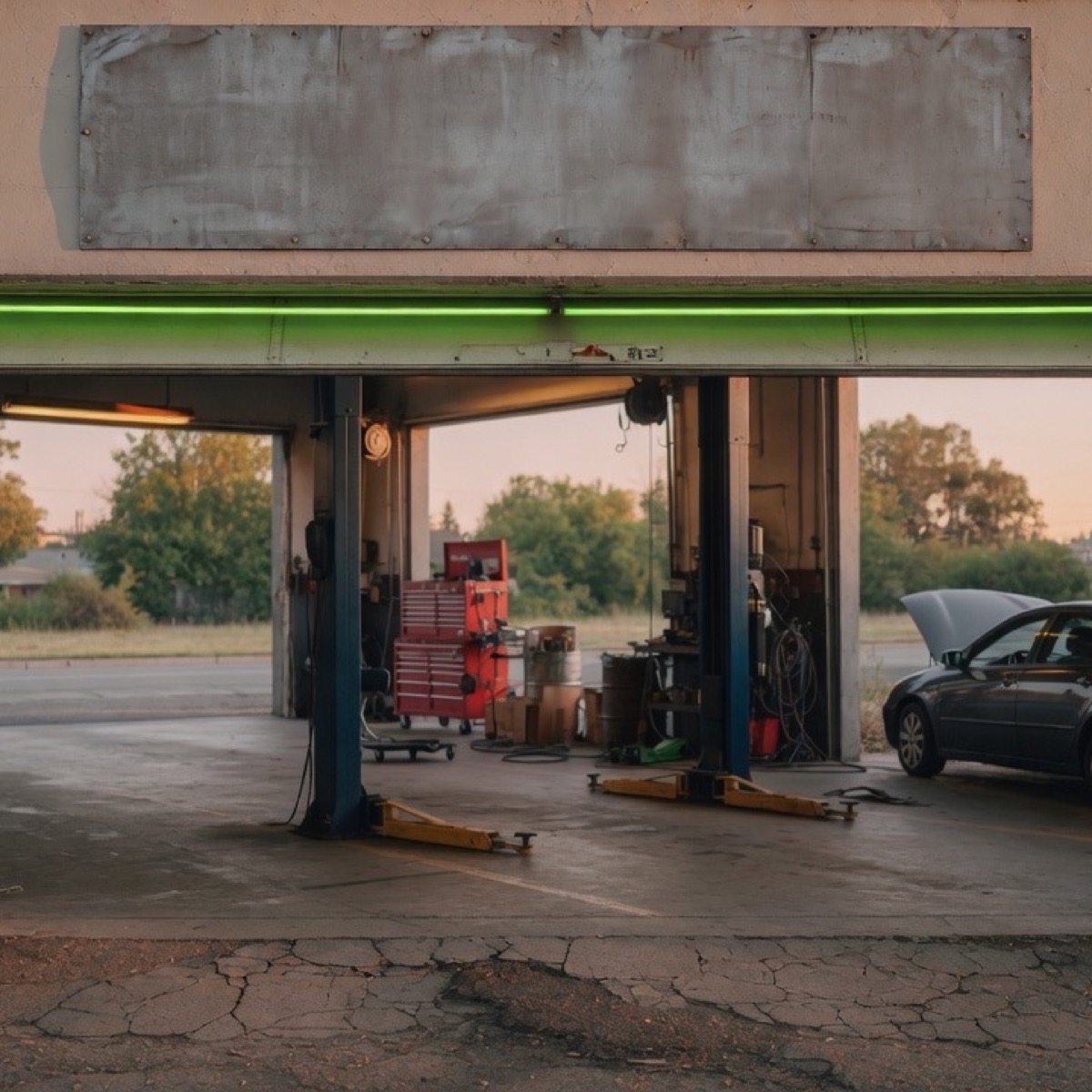
An auto repair Google Business Profile should show the shop as it is. Hours that match the door. One primary category for the work in the bays. The phone a person answers. Photos of this shop, not a stock garage. Services written the way a driver would say them. If the profile describes a different business, the calls will be for that business.
Key takeaways
- Hours, phone, and address match the shop exactly.
- One primary category for the work the bays actually do.
- Photos are of this shop, taken in daylight.
- Services use driver language, not a parts catalog.
- Reviews come from real jobs. Reply like a person.
Name, address, hours, and phone
The name, the address, the hours, and the phone belong first. They should match the door and the first screen of the site. One number. The hours a person is actually there. The address of the bays, not a mailbox. If those four are wrong, photos and posts will not fix the Tuesday.
A general-repair shop should put its public facts on the profile without decoration: the work, the hours, the place. A profile that adds diesel or body work the shop does not do will ring for jobs the bays will refuse. The home page is where that same match is the offer: the listing kept in line with the shop.
The primary category
Choose the primary category for the work that fills most of the week. A general-repair shop should not wear a dealer category because it sounds larger. Add a second category only when you do that work this week and want those calls.
The category is how Google decides which searches you might fit. It is also how a driver decides you are the wrong place in one line of text. When the category is wrong, ad clicks get more expensive in practice, because the people who arrive did not want the shop you are.
Photos and services
The photos should be this building and these bays. Daylight. The sign readable. No stock garage, and no customer's plate if you can crop it. Services should use the words a driver already has: brakes, oil, a check-engine light, an inspection, if those are jobs you do. A parts catalog dumped into the services list does not help the person on the shoulder.
Write the description in a few plain sentences. Who you serve. What you do not do. The town. Skip a slogan. The driver is comparing you with the shop down the road, not reading an ad.
Reviews after the facts are true
Reviews fit after the facts are true. Ask when a job went well, and make the path to the profile short. Reply to what the customer actually said. A cheerful template on an angry review reads as if nobody read it.
Do not buy reviews. A pile of identical five-star lines does not make the hours true. If calls are for work you do not do, fix the category and the photos before you ask for another review. More calls still depend on a person answering. We do not guarantee a call count, a ranking, or a revenue number. The goal is that the listing and the shop are the same place.
What to put on the profile this week
- Match the name, the bay address, the hours, and one phone number to the door.
- Set one primary category for the work that fills the week.
- Add daylight photos of this building and services a driver would say.
- Ask for reviews only after those facts are true, and reply like a person.
Questions people ask
What should an auto repair shop put on its Google Business Profile?
Put the facts a driver needs before they call. The name on the sign. The address of the bays. Hours that match the door, including a holiday when you close. One phone number a person answers. A primary category for the work you do. Photos of your shop. A short description in plain language. Services a neighbor would recognize, such as brakes or an oil change, if you actually do them.
How many categories should a repair shop pick?
Pick one primary category that names the main work, then add only categories you can do this week. A general-repair shop that also lists dealer, body, and towing will draw calls it has to refuse. Each refusal teaches the driver to try someone else. Extra categories are not a growth trick. They are a promise. Leave off any promise the bays cannot keep.
What photos belong on the profile?
Photos of this shop. The bay, the front of the building, and the sign, in daylight, with no customer plate readable if you can help it. A stock photo of a different garage makes the listing look like a template. Update the photos when the shop changes. A dark, blurry set from years ago is how drivers decide you are closed.
Should hours include lunch or a holiday?
Yes. If the door locks at noon, the profile should say so. If you close for a holiday, set the special hours before the morning of. Drivers who arrive to a locked door do not leave a kind review, and they do not call back. The listing is a promise about when a person is there. Keep that promise boring and exact.
How should a shop ask for reviews?
Ask after a job the customer already said went well. Send them to the profile from the phone they already have. Do not buy reviews, and do not hand the same script to every ticket. Reply to the review in a sentence a person would say, including the unhappy ones. A review that describes a job you did not do is a sign the category or the photos are attracting the wrong people.
Does the profile replace the website?
No. The profile is where many drivers tap Call. The website should agree with it: same name, same phone, same hours, same work. A site that hides the number, or a profile that lists services the site never mentions, splits the shop into two businesses. The calls article covers the phone. Keep the profile as the public facts.

Isaac Donnelson
Isaac Donnelson runs Auto Shop Marketers for auto repair shops. He is the growth partner on the account. He writes about calls, the Google listing, and what a shop actually pays for ads.