
Home / Blog / How to set up Google Ads for an auto repair shop
Ads
How to set up Google Ads for an auto repair shop
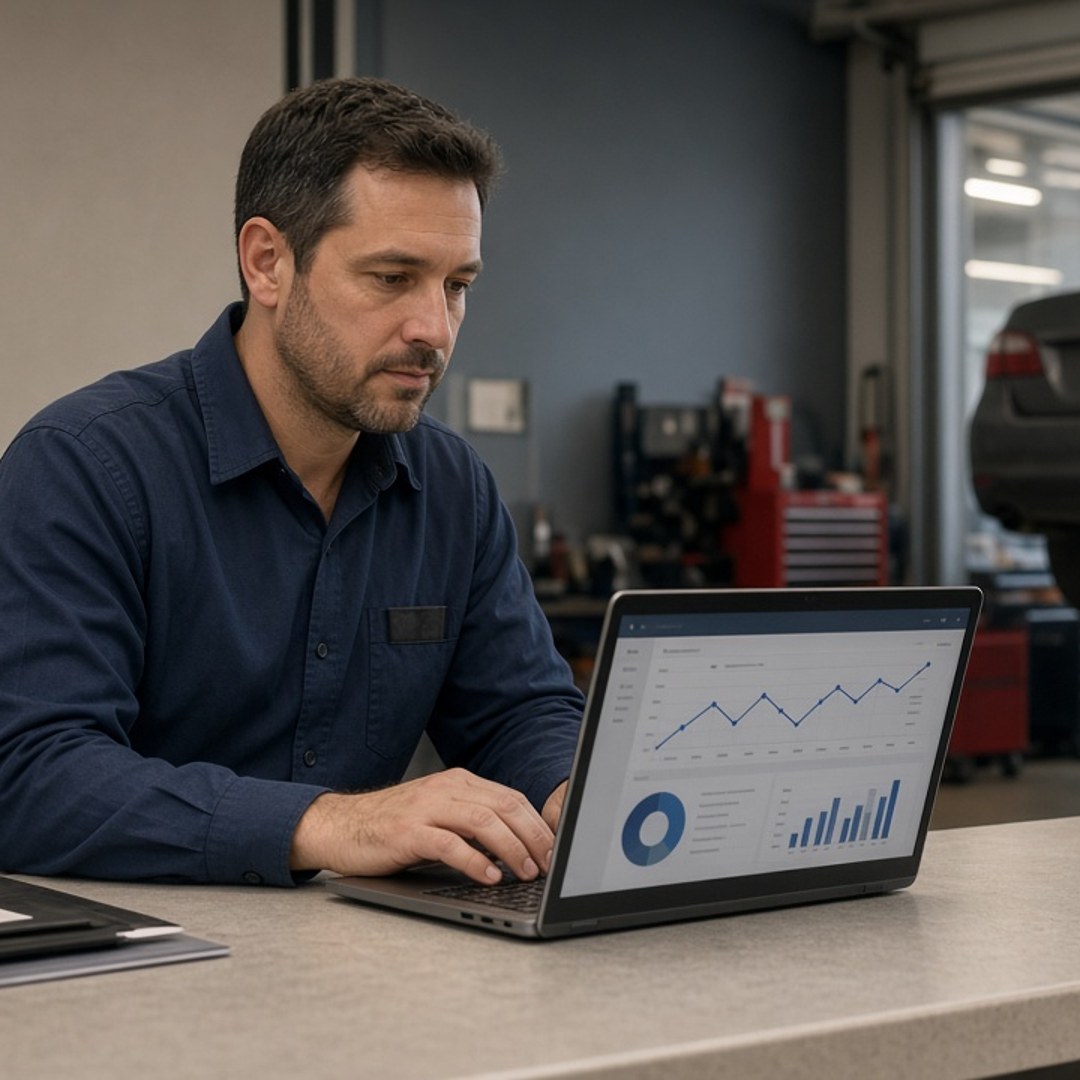
An auto repair shop sets up Google Ads by deciding which jobs it can take, counting calls before any spend, grouping ads by service, and sending each click to a page with the phone number on the first screen. Target drivers who are near the bays, and run ads only when someone answers. We do not guarantee a call count, a ranking, or a revenue number.
Key takeaways
- Count calls before you spend a dollar on clicks.
- Group the account by the services the bays actually sell.
- Target presence in your real drive area.
- Put the phone number on the first screen of the landing page.
- Run ads only during hours a person picks up.
Decide what the shop can take before you open the account
A shop should decide which jobs the bays can accept and when a person answers the phone before it turns on Google Ads. Ads that sell work the shop turns away, or that ring while the phone sits on voicemail, spend money the counter cannot use. Write down the services you want more of, the hours someone picks up, and how far customers really drive.
That short list becomes the campaign. If the shop does not do body or glass, those words stay out of the keywords and go on the negative list. If lunch leaves the phone uncovered, the ad schedule should say so. The article on why auto repair Google Ads are not getting calls walks through the same leaks after launch.
Count calls before any spend starts
Call counting belongs in the account before the first dollar of spend. Without a conversion action for calls, the report shows clicks and cost while the phone rings and nobody can prove it. Add a call asset so the number appears on the ad, and a conversion that counts calls from the ad and calls from the website after a click.
Compare that count with what the counter remembers for the same week. A big gap means the setup needs fixing before you change the budget. What call tracking is for an auto repair shop and what cost per call means keep the math honest: spend divided by calls a person answered, not clicks treated as jobs.
Build a Search campaign by service
A Search campaign grouped by service keeps the ad and the page matched to what the driver typed. Brakes, diagnostics, AC, and maintenance each get their own ad group. One giant ad group for every repair mixes high-intent searches with cheap maintenance clicks and makes the report harder to read.
Write the ad copy in shop language. Name the service, the town or area if it fits, and ask for the call. Keep brand searches for the shop name in a small separate campaign so they do not compete with service keywords. Start with phrase and exact match so the account stays under control while you learn.
Add keywords drivers say, and block the rest
Keywords should sound like what a driver says on the phone: brake repair, check engine light, AC repair, and the name of the town. Broad match alone will pull DIY videos, part numbers, job seekers, and work the bays do not do. Those clicks cost money and almost never become a car in the bay.
Add negatives from day one for how to, DIY, diagram, parts, jobs, salary, school, and the services you turn away. Then read the search terms report every week while the account is new and keep adding the words that never become work. Do not block a word because it looks odd. Block it because people who searched it did not call or did not need the work you sell.
Target drivers who are near the bays
Location targeting should reach people who are in or regularly in the area the shop serves. Presence beats interest for repair work. Interest can include someone far away who searched the town name once, clicked, and will never drive in.
Draw the radius around real drive times for the jobs you sell. Exclude towns and ZIP codes you will not serve. A shop that lives on one side of a highway can say so in the map. Wrong location settings are a common reason ads spend without filling the schedule.
Send each click to a page that asks for the call
Each ad group should land on a page that matches the search and shows the phone number on the first screen. A brake click lands on a brakes page. A diagnostics click lands on a diagnostics page. A generic homepage that hides the number behind a slideshow asks a stressed driver to hunt for the next step.
Keep the same number on the ad, the page, and the Google listing. Hours, the service, and a short line of proof that the shop is real belong near the number. A form can sit lower for people who prefer not to call. How to get more calls for an auto repair shop covers the first screen and the person who answers in more detail.
Match the ad schedule to a real person
The ad schedule should match the hours a person picks up, not only the hours on the door if those differ. Drivers with a warning light rarely leave a message and wait. They call the next shop on the list. Ads that run into an empty phone buy rings that never become conversations.
Check lunch, the first hour of the morning, and Saturdays. Cover those windows or turn the ads off for them. If the shop wants after-hours form requests, that is a separate page and a separate choice. Do not pay for calls the phone cannot take.
Read the first weeks and cut waste
The first weeks are for learning, not for judging the whole idea of ads. Open the search terms report, the location report, and the call conversions. Cut wasted terms, tighten the radius if clicks are coming from too far, and keep the schedule matched to the counter.
Raise spend only on the services that bring answered calls the shop can book. A thin town may simply have fewer searches in a week, and no bid change invents more broken cars. What Google Ads cost for an auto repair shop explains how that bill works without treating a national lead price as your price. We do not guarantee a call count, a ranking, or a revenue number.
What to do this week
- Decide which jobs the bays can take and when a person answers the phone.
- Set up call counting before any ad spend starts.
- Build a Search campaign grouped by the services you sell.
- Add keywords drivers actually say, plus negatives for DIY, parts, and jobs.
- Target people in your real drive area, not people who once searched the town.
- Send each ad group to a page with the phone number on the first screen.
- Schedule ads only during hours a person can pick up.
- Read the search terms report in the first weeks and cut waste.
How to set up Google Ads for an auto repair shop
- Decide which jobs the bays can take and when a person answers the phone.
- Set up call counting before any ad spend starts.
- Build a Search campaign grouped by the services you sell.
- Add keywords drivers actually say, plus negatives for DIY, parts, and jobs.
- Target people in your real drive area, not people who once searched the town.
- Send each ad group to a page with the phone number on the first screen.
- Schedule ads only during hours a person can pick up.
- Read the search terms report in the first weeks and cut waste.
Questions people ask
How do I set up Google Ads for an auto repair shop?
Start with the work the shop can take and the hours a person answers the phone. Turn on call counting next, so the account records rings instead of only clicks. Build a Search campaign with ad groups for the services you sell, add keywords close to what drivers say on the phone, and block DIY, parts, and job searches. Target people who are in your area, send each click to a page that shows the number first, and keep the ad schedule matched to the person at the counter.
Do I need call tracking before I launch ads?
Yes. Without a conversion action for calls, the account can show clicks and spend while the phone rings and nobody can prove it. Add call assets on the ads and a conversion that counts calls from the ad and from the website after a click. Then compare that count with what the counter remembers for the same week. The guide to what call tracking is for an auto repair shop and the cost-per-call article explain how to read that number without treating a tracked conversion as a closed job.
Should I send Google Ads to my homepage?
Usually not for paid search. A brake search should land on a page that says brakes and shows the phone number without scrolling. A generic homepage often hides the number behind a slideshow or a story about the shop. Match the page to the search, keep the same number the driver sees on the ad and the Google listing, and make the first screen ask for the call. Forms can sit below the fold for people who prefer not to talk right then.
How should I structure the campaigns?
Group by service, not one pile of every repair. Brakes, diagnostics, AC, and maintenance each get their own ad group so the ad and the page can match the search. Keep work the shop does not do out of the account entirely. Brand searches for the shop name can sit in a small separate campaign so they do not compete with service keywords. Start tight with phrase and exact match, then expand only after the search terms report shows real demand.
What location setting should an auto repair shop use?
Choose people in or regularly in your targeted locations, not people who have shown interest in the place. Interest targeting can reach someone far away who searched the town once. Draw the radius around how far customers really drive for the work you sell. A tow-in shop and a quick oil change shop do not share the same map. Exclude towns you will not serve.
When should the ads run?
Run them during the hours a person can answer the phone. A driver with a warning light who hits voicemail often calls the next shop. Match the ad schedule to staffed hours, then check lunch, the first morning hour, and Saturdays. If nobody covers those windows, take the ads off for them. Paying for rings the shop cannot take is waste, not growth.
How much should I spend when I first set up?
Spend only what the shop can answer and book without burying the counter. There is no portable national budget that fits every town. Start small enough to learn from the search terms report, then raise spend on the services that bring answered calls. What a shop pays in clicks is covered in the article on Google Ads cost for an auto repair shop. We do not guarantee a call count, a ranking, or a revenue number.

Isaac Donnelson
Isaac Donnelson runs Auto Shop Marketers for auto repair shops. He is the growth partner on the account. He writes about calls, the Google listing, and what a shop actually pays for ads.