
Home / Blog / Should an auto repair shop record its phone calls?
Calls
Should an auto repair shop record its phone calls?
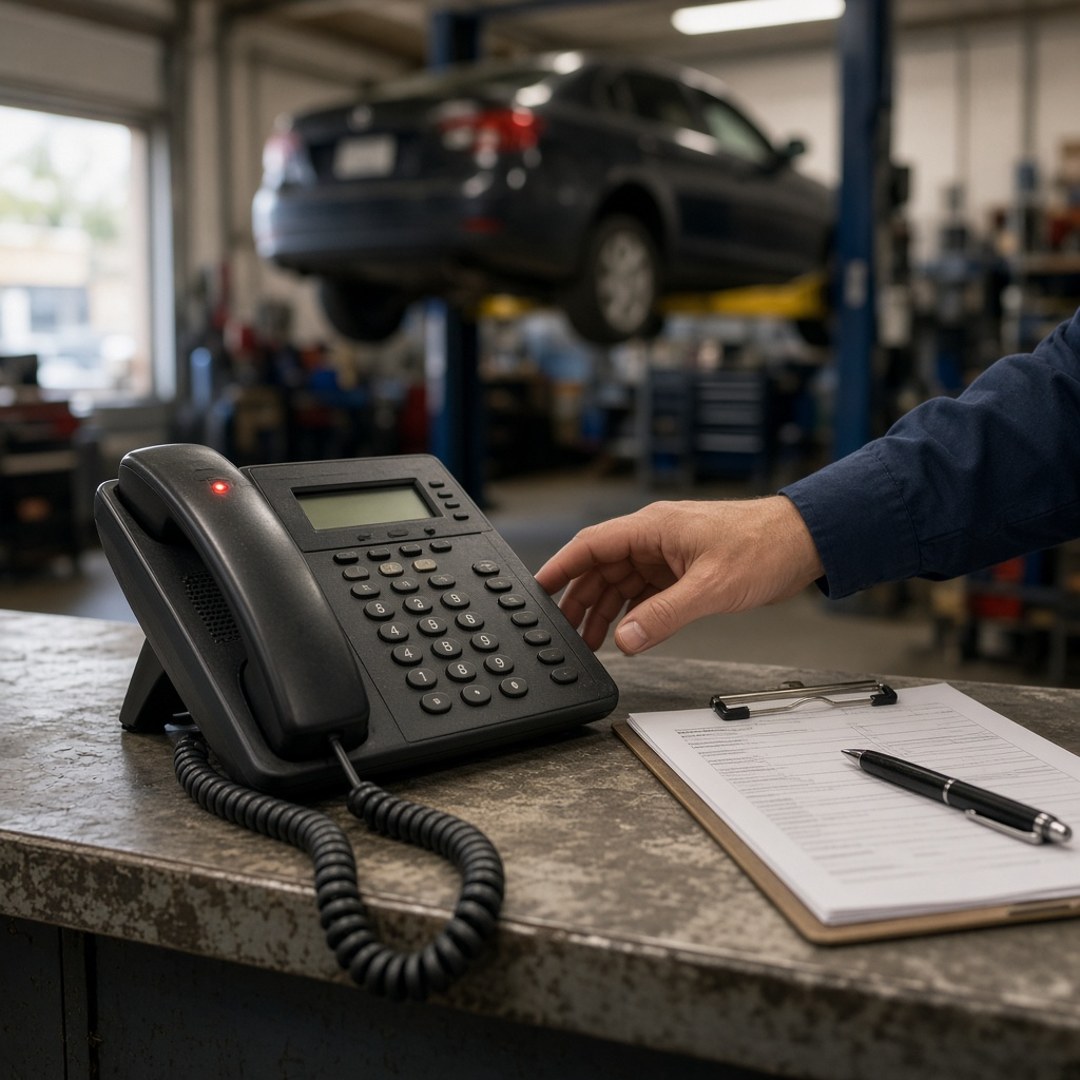
An auto repair shop should record its phone calls when someone will actually listen to them and use what they hear to coach the counter. Recordings show how calls are answered, where bookings slip away, and which questions trip people up. Tell callers the call may be recorded, and check the consent rules where the shop operates. If nobody will ever press play, recording adds storage and risk without changing anything.
Key takeaways
- Record calls only if someone will listen every week.
- Tell callers at the start that the call may be recorded.
- Consent rules vary by state, so check the law where you operate.
- Listen for calls that ended without a booked time.
- Keep recordings for a set time, then delete them.
Recording is worth it when someone will listen
Recording phone calls is worth it for an auto repair shop when the owner or a manager will listen to some of them every week. The value is not in the files. It is in hearing how the counter actually answers, which is often different from how everyone thinks it answers.
A shop that records and never listens has paid for storage and taken on a privacy job with nothing to show for it. A shop that listens to even a few calls a week usually finds one or two habits worth fixing within the first month, like a rushed greeting or a price question that ends the call.
Recordings show where bookings slip away
Recorded calls show the exact moment a caller decides not to book. Most owners only hear about calls that went well, or calls that went badly enough for a complaint. The quiet middle, where a driver says thanks and hangs up, is where most lost jobs live.
Listen for a few things. Was the phone answered quickly and with the shop's name? Did the person ask about the car and the problem before talking about price? Were two real drop-off times offered? Was a name and number taken every time? The guide on turning phone calls into appointments walks through those steps, and recordings show which ones get skipped.
Coaching works better with real calls
Coaching from a real call works better than coaching from memory. An advisor who hears their own call can tell what went wrong without a long talk. Play one call that booked and one that did not, and ask what was different.
Keep it private and short. Start with what went well, then pick one habit to change that week. Do not play calls in front of the team to make a point. People who feel watched stop picking up the phone with confidence, and that costs more calls than any bad greeting.
Tell callers the call may be recorded
Tell every caller at the start that the call may be recorded. The simplest way is a short line that plays before the phone rings at the counter, such as: thanks for calling, this call may be recorded for quality. Keep it to one sentence so it does not slow the caller down.
Consent rules are set by state, and some states require that everyone on the call agrees to the recording. This article is not legal advice. Check the rules where the shop operates, or ask a local attorney, before turning recording on. If the shop also has a voicemail greeting, keep the two short and consistent.
Decide who listens and how long recordings stay
Decide up front who can open recordings and how long they are kept. One or two people with access is enough for most shops. Calls can include names, numbers, addresses, and sometimes payment details, so treat the recordings like customer records.
Set the phone system to delete recordings after a fixed time, long enough to coach and settle a question about what was said, and no longer. Do not take card numbers on a recorded line. If a caller wants to pay by phone, move that part to a line or a tool that does not record.
Recording and call tracking do different jobs
Call tracking tells you where a call came from, and recording tells you what was said. A shop can use one without the other. Call tracking shows whether calls from Google, the website, or ads were answered. Recording shows whether those answered calls turned into booked work, and why.
Many phone systems and tracking tools offer recording as a setting. If you turn it on there, the same disclosure and consent steps apply.
When recording is not worth it
Recording is not worth it when nobody will listen, when the shop gets very few calls, or when calls are not being answered at all. If the phone rings out at the drop-off rush, the problem is coverage, not coaching. Fix who answers and how fast missed calls get a call back first.
Once the counter answers almost every call during open hours, recordings become useful. They help a shop that already picks up learn to book more of the calls it gets. We do not guarantee a call count, a ranking, or a revenue number.
Questions people ask
Should an auto repair shop record its phone calls?
Yes, if someone at the shop will listen to a handful of calls each week and use them to coach the counter. Recordings show how the phone is answered, how price questions are handled, and why some callers hang up without a booked time. If nobody has the time or the habit to listen, recording does not fix anything. In that case a simple call log and a clear call back rule do more for the shop.
Is it legal for a repair shop to record customer calls?
Recording business calls is common, but the consent rules are set by each state, and some states require every person on the call to agree. This is not legal advice. Check the rules where the shop operates, or ask a local attorney, before turning recording on. Most shops play a short line at the start of each call that says the call may be recorded, so every caller hears it before they talk to anyone.
What should a shop listen for in recorded calls?
Listen for the calls that did not end with a booked time. Note how fast the phone was answered, whether the person asked about the car and the problem first, whether two real drop-off times were offered, and whether the caller's name and number were taken. Price questions and jobs the shop does not do are worth extra attention. Those are the moments where callers most often say they will think about it and never call back.
Who at the shop should listen to the recordings?
The owner or the manager who coaches the counter should listen, not everyone. Pick one person and a fixed time, such as thirty minutes every Monday. Pull a few calls that booked and a few that did not, and compare them. Share what you hear with the advisor in private, starting with what went well. Recordings used to embarrass people in front of the team stop being a coaching tool fast.
How long should a shop keep call recordings?
Keep them only as long as you need them to coach and settle a question about what was said. Many shops keep a few weeks to a few months, then let the phone system delete them on a schedule. Calls can include names, phone numbers, addresses, and payment details, so limit who can open them, and do not take card numbers on a recorded line. Check your phone provider's settings and any rules that apply where you operate.
Does call tracking record calls automatically?
Some call tracking tools can record calls, but recording is usually a separate setting. Tracking tells the shop where a call came from and whether it was answered. Recording lets someone hear what was said. A shop can use tracking without recording. If you turn recording on inside a tracking tool, the same disclosure and consent steps apply as on any other phone line.
When is recording calls not worth it?
It is not worth it when nobody will listen, when the shop answers very few calls a week, or when the bigger problem is calls that never get answered at all. In those cases fix the answering first. Make sure a person picks up during open hours, the voicemail greeting is clear, and missed calls get a call back. Recording helps a shop that already answers its phone learn to book more of those calls.

Isaac Donnelson
Isaac Donnelson runs Auto Shop Marketers for auto repair shops. He is the growth partner on the account. He writes about calls, the Google listing, and what a shop actually pays for ads.