
Home / Blog / Should an auto repair shop use Local Services Ads?
Ads
Should an auto repair shop use Local Services Ads?
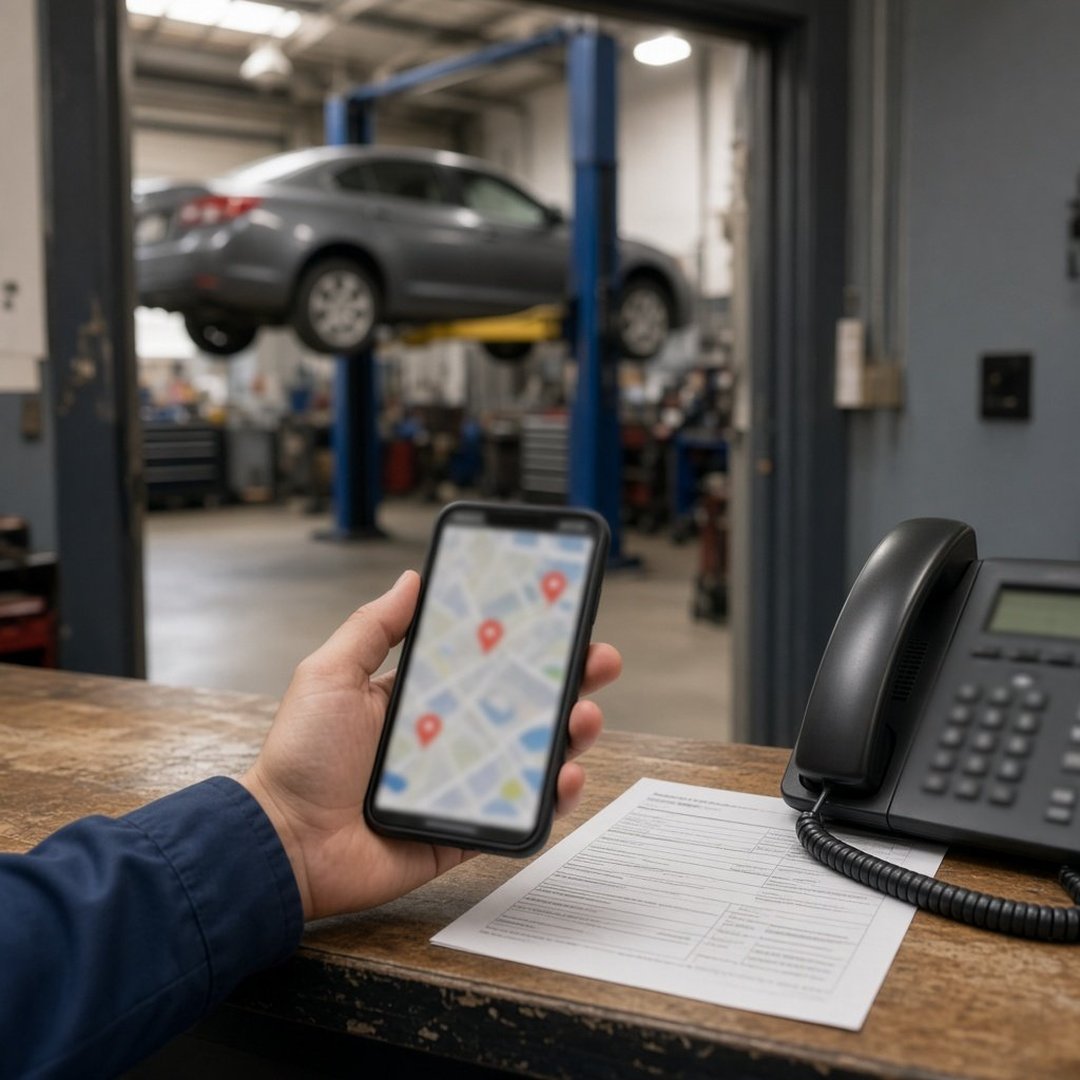
An auto repair shop should try Local Services Ads when Google offers the category in its area, the shop can pass Google's verification, and someone answers the phone during the hours the ad runs. You pay for leads, not clicks, and the ad can sit above the map. Keep standard Search running for the services you want to control closely, and judge both by calls a person answered.
Key takeaways
- Check Google's eligibility tool for your category and service area first.
- Local Services Ads bill per lead, so a missed call is money spent on nothing.
- Job types and service area settings decide which leads you pay for.
- Standard Search gives tighter control over services, words, and landing pages.
- Compare both on cost per answered call, not on Google's own numbers.
Local Services Ads are worth a test for an eligible shop
Local Services Ads are worth testing when Google offers auto repair as a category where the shop is and the shop can pass Google's verification. In the United States, Auto Repair Shop is on Google's list, along with related categories like brake shops and oil change services. Availability still depends on the location, so the first step is Google's own eligibility check, not a budget.
The appeal is placement and billing. A Local Services Ad can show above the regular map results on a search like auto repair near me, with the shop's rating and a call button. The shop pays when a driver calls or messages through the ad, not each time someone looks or clicks.
Paying per lead changes what a missed call costs
With Local Services Ads, a missed call is still a charged lead, so the phone matters more than the ad. On regular Search, a driver who clicks and leaves costs a click. On Local Services Ads, a driver who calls and hits a ringing phone or a full voicemail box can still count as a lead you paid for.
That makes the counter the first thing to check. If calls go unanswered at the morning drop-off rush or at lunch, the ad will buy calls nobody picks up. The article on cost per call explains why the number that matters is spend divided by calls a person answered.
Job types and service area decide which leads you pay for
The settings for job types and service area control most of the lead quality in Local Services Ads. The shop picks which jobs it wants leads for and which zip codes or areas it serves. If a shop leaves on a job it does not do, such as body work or glass, it can pay for calls it has to turn away.
Google reviews leads and credits some that look invalid, like spam or wrong numbers, and the shop can rate a lead it disagrees with. Leads from outside the area or for a job the shop never offered are harder to get back. Tight settings at the start cost less than chasing credits later. Set the business hours in the ad to the hours someone is at the counter, so the ad is not running while the phone goes to voicemail.
Verification and reviews shape how the ad looks
Local Services Ads show a Google Verified badge once the shop passes Google's checks, and the shop's reviews sit right next to it. Depending on the category and location, Google may check the business registration, insurance, licensing, and the owner or staff. In October 2025 the Google Verified badge replaced the older Google Guaranteed and Google Screened badges.
The badge is the same for every shop that passes, so reviews do more of the work. A shop with a steady stream of recent reviews looks like the safer call. The guide on getting more Google reviews covers asking at pickup and replying to every one.
Standard Search still does jobs Local Services Ads cannot
Standard Search ads give the shop control that Local Services Ads do not. With Search, the shop chooses the keywords, writes the ad text, blocks searches it does not want with negative keywords, sets the schedule by hour, and sends drivers to a page built for that service. Local Services Ads leave most of that to Google.
That control matters for the work a shop wants more of, like brakes, diagnostics, or a specific make, and for keeping out searches that never turn into a job. The steps for setting up Google Ads for an auto repair shop walk through the campaign settings. Running both lets each one cover what the other cannot.
Compare both on cost per answered call
The fair way to compare Local Services Ads and Search is the spend for each divided by the calls a person at the shop answered from each. Google reports leads on one side and conversions on the other, and neither is the same as a booked job. Pull the call list for both, mark which calls were answered and which became a drop-off, and do the math once a month.
What a shop spends on either one depends on the town, the season, and how many shops compete for the same searches. The article on what Google Ads cost an auto repair shop explains why a thin town often spends less. If one source costs far more per answered call for two or three months, move money toward the other. We do not guarantee a call count, a ranking, or a revenue number.
Questions people ask
Should an auto repair shop use Local Services Ads?
Usually it is worth a test if Google lists auto repair as an eligible category where the shop is and the shop can pass verification. The ad can show above the regular map results, and the shop pays when a driver calls or messages, not when someone clicks. It works best for a shop that answers the phone reliably and already has steady reviews. If the shop misses a lot of calls, fix that first, because every missed lead still costs money.
How are Local Services Ads different from regular Google Ads?
Local Services Ads charge per lead, and Google decides most of the targeting from the shop's profile, job types, and service area. Regular Search ads charge per click, and the shop chooses the keywords, the ad text, the schedule, and the page the driver lands on. That makes Local Services Ads simpler to run and regular Search easier to steer. Many shops run both and compare them side by side.
What does the Google Verified badge mean on a Local Services Ad?
Google Verified is the badge Local Services Ads show after the business passes Google's checks, which can include background, license, and insurance screening depending on the category and location. In October 2025 it replaced the older Google Guaranteed and Google Screened badges, and the money back guarantee tied to the old badge was discontinued. Treat it as a trust signal next to your reviews, not a promise to the driver.
Can a repair shop get charged for bad leads?
Yes, it can happen. Google reviews leads and credits some it judges invalid or low quality, such as spam or a wrong number, and the shop can rate a lead it thinks should not count. Leads from outside the service area or for a job the shop does not do are much harder to get back, so the cleaner fix is keeping job types and service area settings accurate. Review the lead list every week, not once a month.
Do Local Services Ads replace the Google Business Profile?
No. Local Services Ads use their own profile and verification, but drivers still check the Google listing, the reviews, and the website before they call. A listing with the wrong hours or services makes the ad look less trustworthy. Keep the business profile accurate and keep the same phone number, name, and address across the listing, the ad, and the site, so a driver sees one shop everywhere.
How do I know if Local Services Ads are working for my shop?
Count the leads Google charged for, how many a person at the shop actually answered, and how many became a booked drop-off. Divide the spend by answered calls and compare that with the same number for standard Search. If one source costs much more per answered call, move budget toward the other. We do not guarantee a call count, a ranking, or a revenue number from any of this.

Isaac Donnelson
Isaac Donnelson runs Auto Shop Marketers for auto repair shops. He is the growth partner on the account. He writes about calls, the Google listing, and what a shop actually pays for ads.