
Home / Blog / Should an auto repair shop reply to good Google reviews?
Listings
Should an auto repair shop reply to good Google reviews?
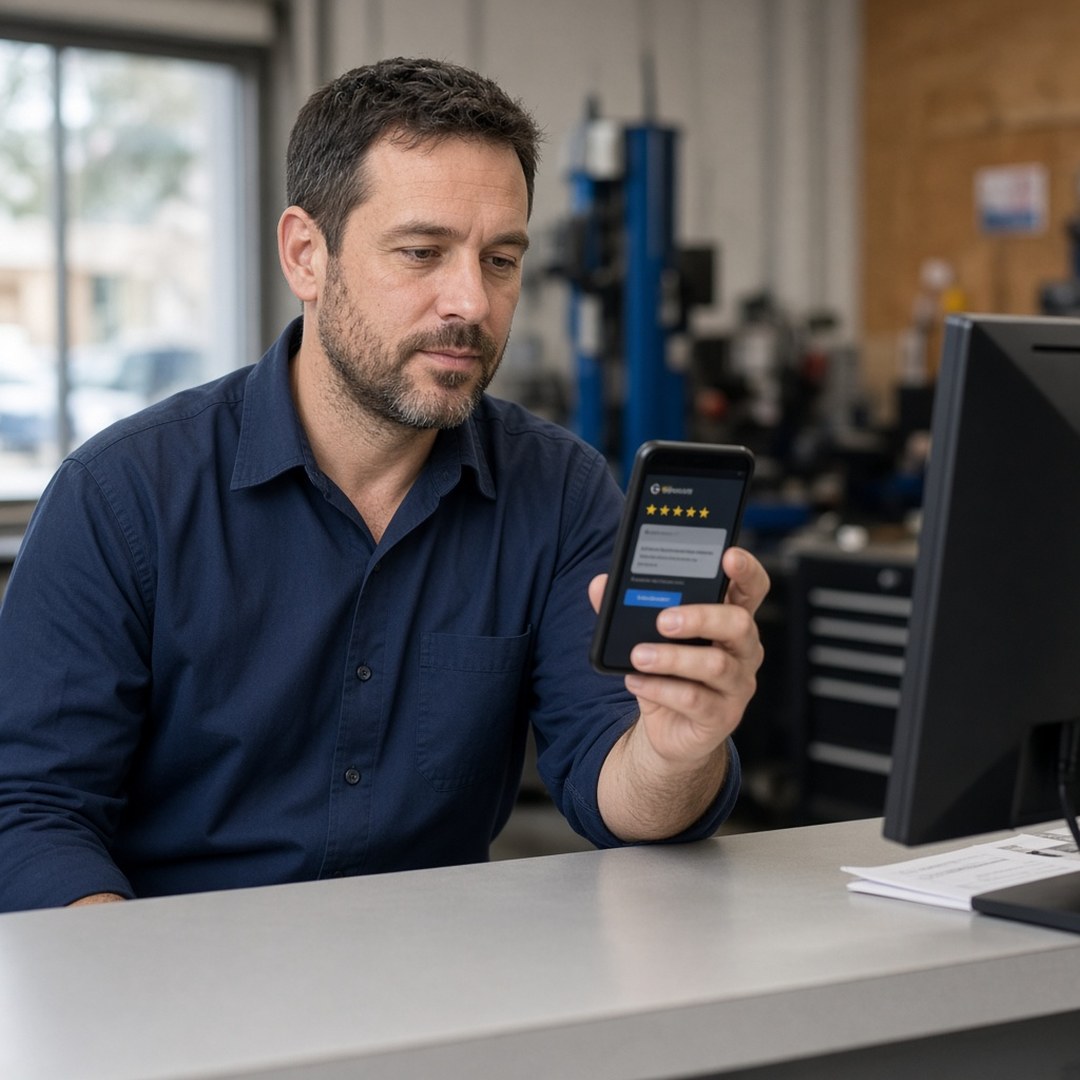
Yes. An auto repair shop should reply to good Google reviews. A short, specific thank you that names the job or the car tells the next driver a real person reads the listing. A pasted "thanks for your business" under every five-star does less. Treat the good ones as part of the same habit as the hard ones, and keep the tone plain.
Key takeaways
- Reply to good reviews, not only the bad ones.
- Thank the customer by name when you can, and mention the job or the car.
- Keep it to a few sentences in the owner or manager's voice.
- A pasted template under every five-star looks worse than silence.
- Put replies on a weekly list so they do not wait on spare time.
Yes, reply to the good ones too
Yes, an auto repair shop should reply to good Google reviews. A five-star note is a public vote of trust. When the shop answers it, the next driver scrolling the listing sees that a real person still reads what customers write.
Shops often save their energy for the hard reviews and leave the praise alone. That pattern reads as odd to a stranger. The listing looks active only when something went wrong. A short thank you under the five-stars balances the page and shows the shop shows up either way.
How a good-review reply compares with a bad-review reply
A good-review reply and a bad-review reply do different jobs. The good one thanks the customer and names the work. The hard one calms the next reader, owns what the shop can own, and moves the details to a phone call. Neither one argues, and neither one posts the invoice.
What they share is the habit. Put both on the same weekly list so replies do not depend on the owner finding a spare minute between cars. The voice should match: plain words, a first name, and a role. Drivers can tell when praise gets a template and complaints get a lawyer.
What a strong thank-you sounds like
A strong thank-you is short, specific, and written like the counter. Thank the customer by first name when Google shows it. Mention the job or the car they wrote about. Invite them back when the next service is due. Two or three sentences is enough.
For example, a review praises a brake job and names the advisor. A fair reply thanks them by name, says the shop is glad the brakes feel right, and notes that the advisor will be glad to see them on the next visit. It does not add a coupon, a hashtag, or a pitch for tires. The driver already liked the work. The reply only needs to prove someone read it.
Why a pasted template under every five-star fails
A pasted template under every five-star fails because drivers notice the copy-paste. The same "Thanks for your kind words, we appreciate your business!" next to a review that named the transmission and the advisor makes the shop look like it never opened the note. Silence would have been cleaner than a fake reply.
Change at least one detail each time. Name the job, the car, or the person who helped. That is the whole difference between a real thank you and a stamp. If the shop cannot spare that much attention, cut the volume of asks until the replies can keep up. The guide on getting more Google reviews only works when the profile also answers them.
Who should write the reply, and how often
The owner or a manager should sign most replies, with a first name and a role. The advisor who did the job can draft the specifics, especially when the review names them. One steady voice across the Google Business Profile reads better than three different styles fighting for the same page.
A few days is a fine window for a good review. It does not need a same-hour answer. It should not sit for weeks either. Block thirty minutes once a week, pull every new review, and clear them. That rhythm keeps the listing current without pulling anyone off a live counter call.
When skipping a reply is the wrong call
Skipping a reply is the wrong call when the review is recent, specific, and sitting next to unanswered praise from other customers. A wall of five-stars with no shop voice under them can look unfinished next to a competitor who thanks people by name. The next driver is choosing who to call, and small signals add up.
It is also the wrong call when the shop already answers every complaint in detail. That contrast tells readers the shop only shows up under pressure. Keep the same plain habit for both. We do not guarantee a ranking, a call count, or a revenue number. The point of the reply is trust on the listing, one short note at a time.
Questions people ask
Should an auto repair shop reply to good Google reviews?
Yes. A good review is a public note that a driver trusted the shop with a car and liked the result. A short reply shows the next person reading the listing that someone at the shop still pays attention. Shops that only answer complaints look like they show up when they are under fire. Answer the five-stars too, in the same plain voice you would use at the counter.
What should a reply to a five-star review say?
Keep it short and specific. Thank the customer by first name when Google shows it, mention the job or the car they wrote about, and invite them back when the next service is due. Two or three sentences is enough. Skip slogans, hashtags, and a pitch for other work. The reply should sound like the same shop that fixed the car, not a marketing template.
Is it okay to use the same thank-you under every good review?
No. Drivers notice when the same line sits under every five-star. A pasted "Thanks for your kind words, we appreciate your business!" next to a review that named the brakes and the advisor makes the shop look like it never read the note. Change at least one detail each time: the job, the car, or the person who helped. That small change is what makes the reply feel real.
How fast should a shop reply to a good review?
Within a few days is fine. Good reviews do not need a same-hour answer the way a public complaint often does, but they should not sit for weeks either. Put review replies on someone's weekly list so they happen even when the bays are full. A calm thank you written on Friday still helps more than a rushed one typed between cars and then forgotten.
Who should reply, the owner or the service advisor?
The owner or a manager should sign most replies, with a first name and a role. The advisor who handled the job can draft the facts, especially when the review names them. One steady voice across the profile reads better than three different styles. If the advisor is the face of the shop online, they can reply as long as the tone matches how the shop talks at the counter.
Does replying to good reviews help the Google Business Profile?
Google wants businesses to engage with reviews, and a profile that answers both praise and complaints looks cared for. Drivers comparing two shops often prefer the one that talks back. We do not guarantee a ranking, a call count, or a revenue number. The practical win is trust: the next driver sees that someone reads every note, not only the hard ones.
How is a good-review reply different from a bad-review reply?
A good-review reply is a thank you. A bad-review reply is a calm offer to fix a problem off the page. Do not argue in either one, and do not share invoice details. The bad-review guide covers what to say when something went wrong. For the good ones, stay specific, stay short, and leave the sales pitch out. Both replies belong on the same weekly habit.

Isaac Donnelson
Isaac Donnelson runs Auto Shop Marketers for auto repair shops. He is the growth partner on the account. He writes about calls, the Google listing, and what a shop actually pays for ads.